
How Long Does Info Stay on Your Credit Report?
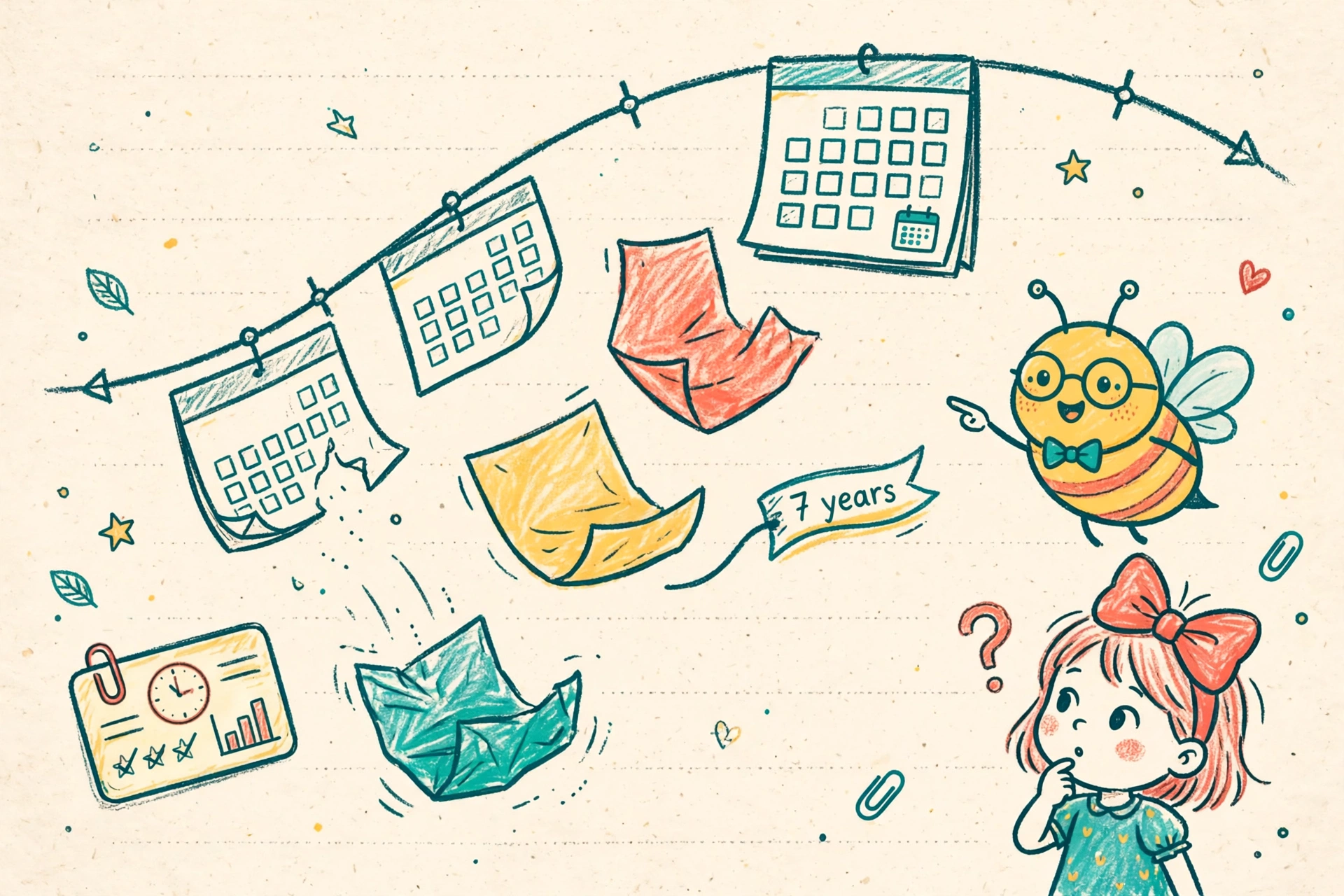
Most negative information stays on your credit report for seven years, and a Chapter 7 bankruptcy stays for ten. Hard inquiries drop off after two years, while accounts you pay on time can stick around for a decade or more. Every item runs on its own clock, and paying a debt off does not restart it.
Dot found an old late payment while checking her report and asked the obvious question: “How long is this thing going to follow me?” Wealthy pulled up a calendar. “Less long than you fear,” he said. “But longer than you’d like. Let’s count it properly.”
How long does each type of information stay on a credit report?
Most negative items — late payments, collections, and charged-off accounts — stay on your credit report for seven years, according to the Consumer Financial Protection Bureau (CFPB). A Chapter 7 bankruptcy stays for ten years, a Chapter 13 bankruptcy for seven, hard inquiries for two, and accounts in good standing can remain for ten years or longer after they close.
Here is the full timeline in one place:
| What it is | How long it stays |
|---|---|
| Late payments, collections, charge-offs | 7 years |
| Chapter 7 bankruptcy | 10 years |
| Chapter 13 bankruptcy | 7 years |
| Hard inquiries | 2 years |
| Accounts paid on time | 10 years or more |
Notice the pattern? The bad stuff has an expiry date. So does the worry. Your report is not a permanent record, no matter how permanent it feels on a bad day.
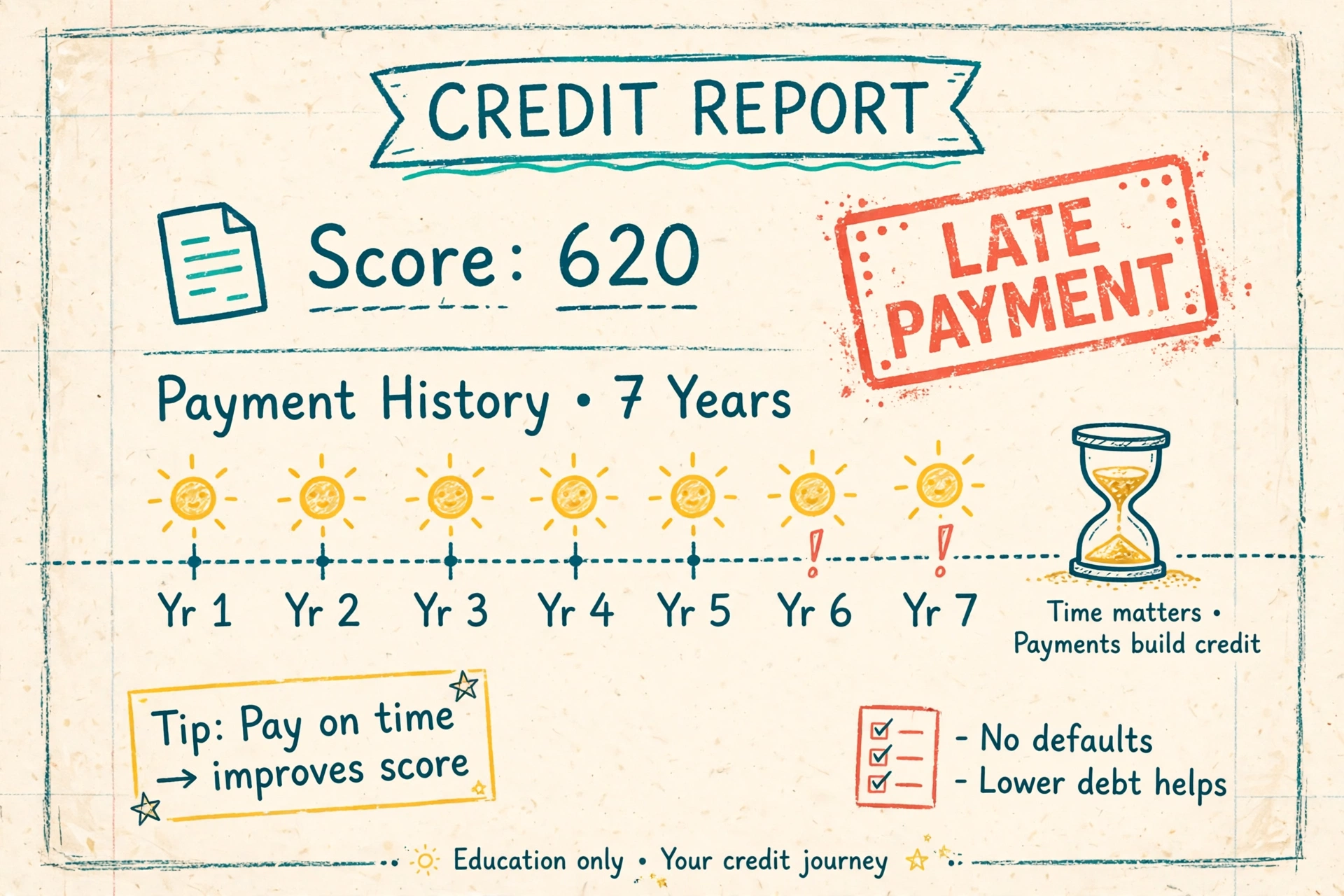
When does the seven-year clock start?
The seven-year clock for a late payment or collection starts from the original delinquency date — the first missed payment in the stretch that led to the charge-off or collection — not from the day you paid it off, and not from the day a collector bought the debt. Paying an old collection in full does not restart the clock or keep the account on your report any longer.
That start date matters more than people realize. Say you missed payments in March of one year, the account charged off that autumn, and a collector called two years later. The whole chain still points back to that March. One debt, one clock.
It also means a debt can change hands without gaining new life on your report. Collectors can sell accounts to other collectors. The dates do not move. If a re-sold debt ever shows up with a fresh, younger-looking delinquency date, that is worth a dispute, because the date decides when the item must leave.
Why does bankruptcy get ten years?
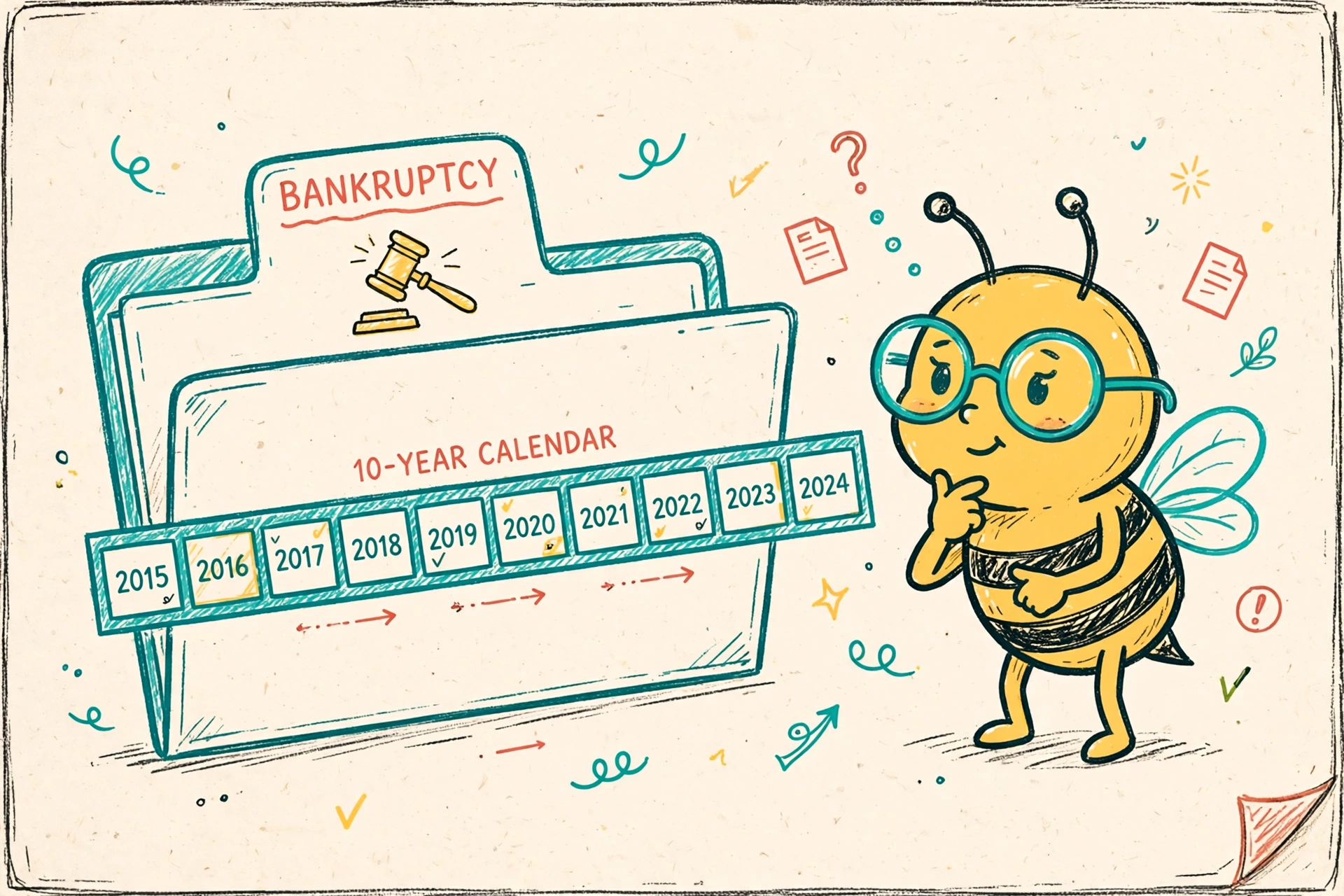
A Chapter 7 bankruptcy stays on your report for ten years because it wipes out most debts entirely, and the credit reporting rules give that bigger event a longer window. Chapter 13, where you repay part of what you owe through a court plan, comes off sooner, after seven years.
Ten years sounds harsh. Keep two things in mind, though. First, the date counts from the filing, so the clock has often been running for a while by the time life feels normal again. Second, an item’s pull on your score fades as it ages. A bankruptcy from eight years ago sits next to eight years of newer history, and lenders read the whole page, not just the worst line.
What about inquiries and the good stuff?
Hard inquiries — the checks lenders run when you apply for credit — stay on your report for two years. Soft inquiries, like checking your own report or getting a pre-screened offer in the mail, are visible to you but are not the kind lenders score you on, and they never affect your credit scores.
Then there is the part nobody warns you about, in a good way. Accounts you handle well can stay on your report for ten years or more, even after you close them. That long tail of on-time payments keeps working for you quietly. It is one reason closing your oldest card in a fit of tidying can be a shame: the account’s good history eventually leaves with it.
Dot liked that part. “So my boring, paid-on-time card is doing me a favor just by existing?” Exactly. Boring is a strategy here.
What can you do while you wait?
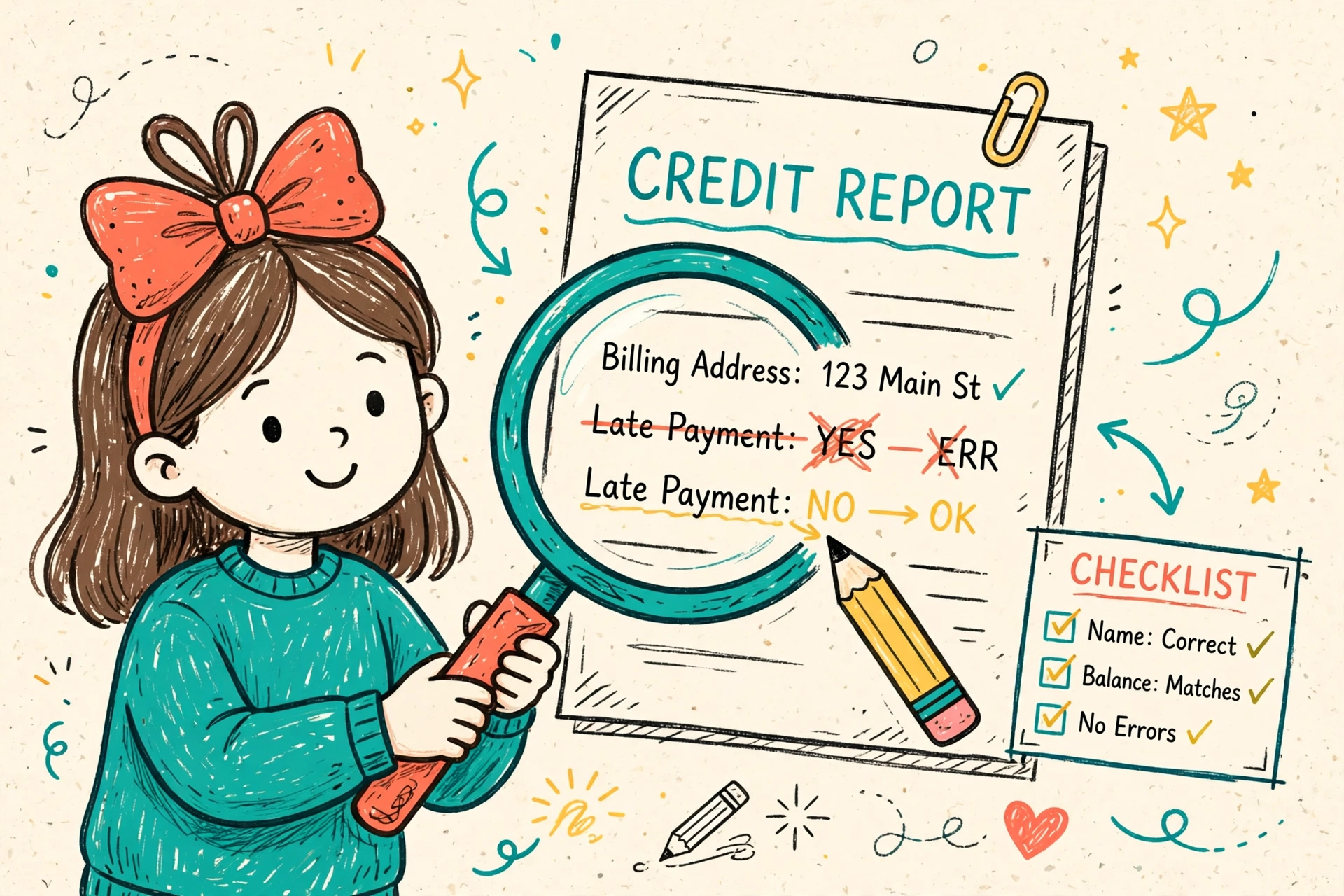
You cannot shorten a truthful timeline, but you can do three useful things while it runs. Check your reports for errors, because wrong dates and accounts that are not yours do not deserve a single day on your file. Keep every current account paid on time, so the newest pages of your story read well. And let time pass without adding fresh late payments, since a new miss starts a brand-new clock of its own.
Start with the free reports. The CFPB explains how to get free copies of your credit reports from each of the three nationwide bureaus through the official site, AnnualCreditReport.com. Read each report like a proofreader, not a fan. Wrong balance? Wrong date? An account you have never seen? Each one is dispute material.
One caution while you’re at it. Anyone promising to scrub accurate, negative information off your report early is selling something the law does not let them deliver. Time and on-time payments do the real work. Slow, yes. But the clock is genuinely on your side.
Frequently asked questions
Can a lender still see information after it leaves my credit report?
Once an item ages off your report, lenders pulling that report no longer see it. Old debts can still exist as debts, though — falling off a report and no longer being owed are two different things.
Does paying off a collection remove it from my report?
No. Paying a collection changes its status to paid, but the account’s history stays on the same seven-year clock, counted from the original missed payment that started the delinquency.
How often should I check my credit reports?
A simple rhythm works: pull one bureau’s free report every few months so you spread your checks across the year, and read each one for accounts you don’t recognize and dates that look wrong.
Will checking my own credit report hurt my score?
No. Checking your own report is a soft inquiry, and soft inquiries never affect your credit scores. Only hard inquiries from applications can, and those stay on your report for two years.
Seven years for most mistakes. Ten for a Chapter 7. Two for an inquiry, and a decade or more for the accounts you treat well. Dot closed her laptop feeling oddly patient. The mark that worried her had a leaving date — and now she knew exactly what it was.
For education only, not financial advice.
This article was created with AI assistance and reviewed by our editorial team before publishing.